October 07, 2026
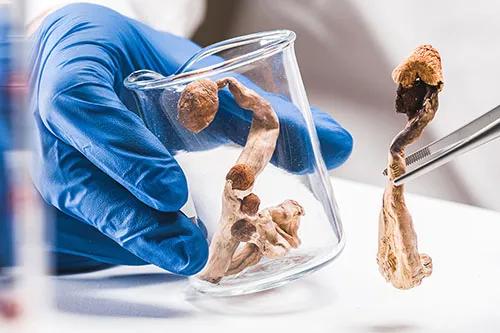
Nearly 14 million U.S. adults, or 1 in 19, used at least one psychedelic or hallucinogenic substance in 2025. That’s according to the latest National Survey Investigating Hallucinogenic Trends (NSIHT) report from Denver Health’s Rocky Mountain Poison & Drug Safety (RMPDS), which tracks who is using psychedelics, why and what happens afterward. NSIHT is the largest study of its kind in the U.S.
Psilocybin, the active ingredient in “magic mushrooms,” remains the most used substance. An estimated 7.8 million adults, or 2.9%, used it in the past year, up from 2.1% in 2024. MDMA followed at 4.2 million users, prescription ketamine or esketamine at 3.3 million and LSD at 2.6 million.
For most, the reason was simple.
About 80% of people who used psilocybin, MDMA or LSD said fun, enjoyment or celebration was at least one reason they took it. Among psilocybin users, 45% said they used cannabis at the same time.
“What stands out is how many people are using these substances outside of a clinical setting and for different reasons,” said Kari Rockhill, assistant statistical scientist for RMPDS. “That makes it important for healthcare providers to ask specifically about which psychedelic substances people are using by name, because what someone is taking, why they’re taking it and what they’re combining it with can all affect their experience.”
Benefits, side effects
The report shows a complicated mix of perceived benefits and risks. Nearly half of psilocybin users said their mental health became somewhat or much better after using it, compared with 4.6% who said it became worse. Similar perceived improvements were reported by 47.3% of prescription ketamine/esketamine users and 43.1% of LSD users.
Those findings do not prove the substances caused mental health improvements. Side effects were also common among people who had used the substances in the previous three months, including 68.8% for prescription ketamine/esketamine and 82.1% for LSD. Physical discomfort, including headache, nausea or vomiting and fatigue were the most common symptom-based side effects.
“These findings reinforce the need for continued research into the real-world use of psychedelics,” said Kate Reynolds, director of research for RMPDS. “As access and public interest grow, communities need evidence that can help distinguish potential therapeutic applications from unintended health effects and identify opportunities to reduce harm.”
Nearly one-third of adults who used prescription ketamine or esketamine, about 1 million people, said they had started within the previous year. For psilocybin, 1.8 million users, or 22.7%, were new within the year.
As psychedelic use moves further into the mainstream, RMPDS researchers say the next challenge is making sure patients and providers understand that these substances are not all the same, and neither are the risks, benefits or experiences that can come with them.
Need help?
If you or someone you know is seeking treatment, advice or options for recovery, the Substance Treatment Line connects callers with compassionate patient representatives. They will help you navigate and connect with the best resources and treatment options in Denver and the surrounding communities. Call 303-436-5711.